

Ramesh Kumar
May 15, 2025
Very peaceful and divine experience. The arrangements were excellent.
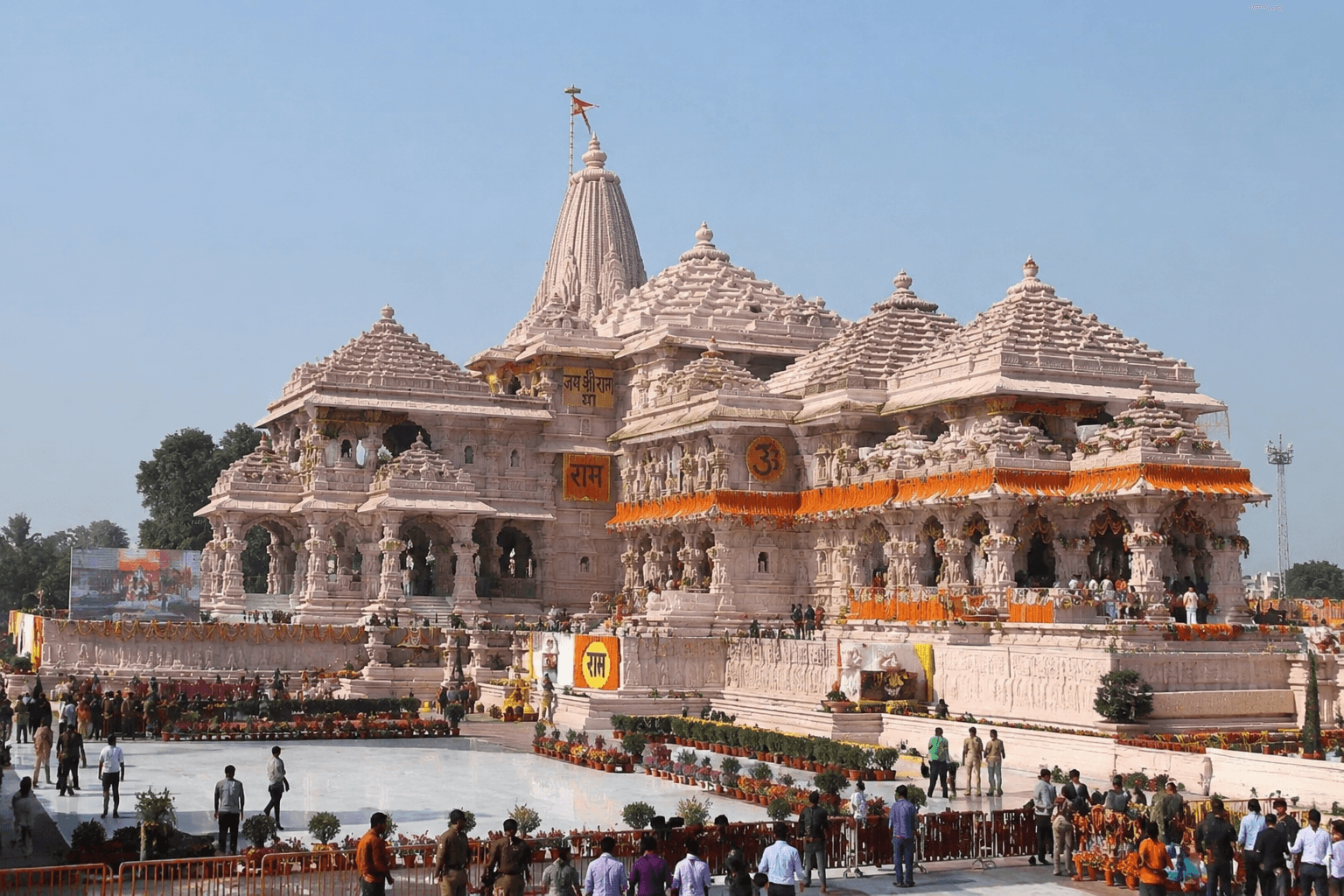
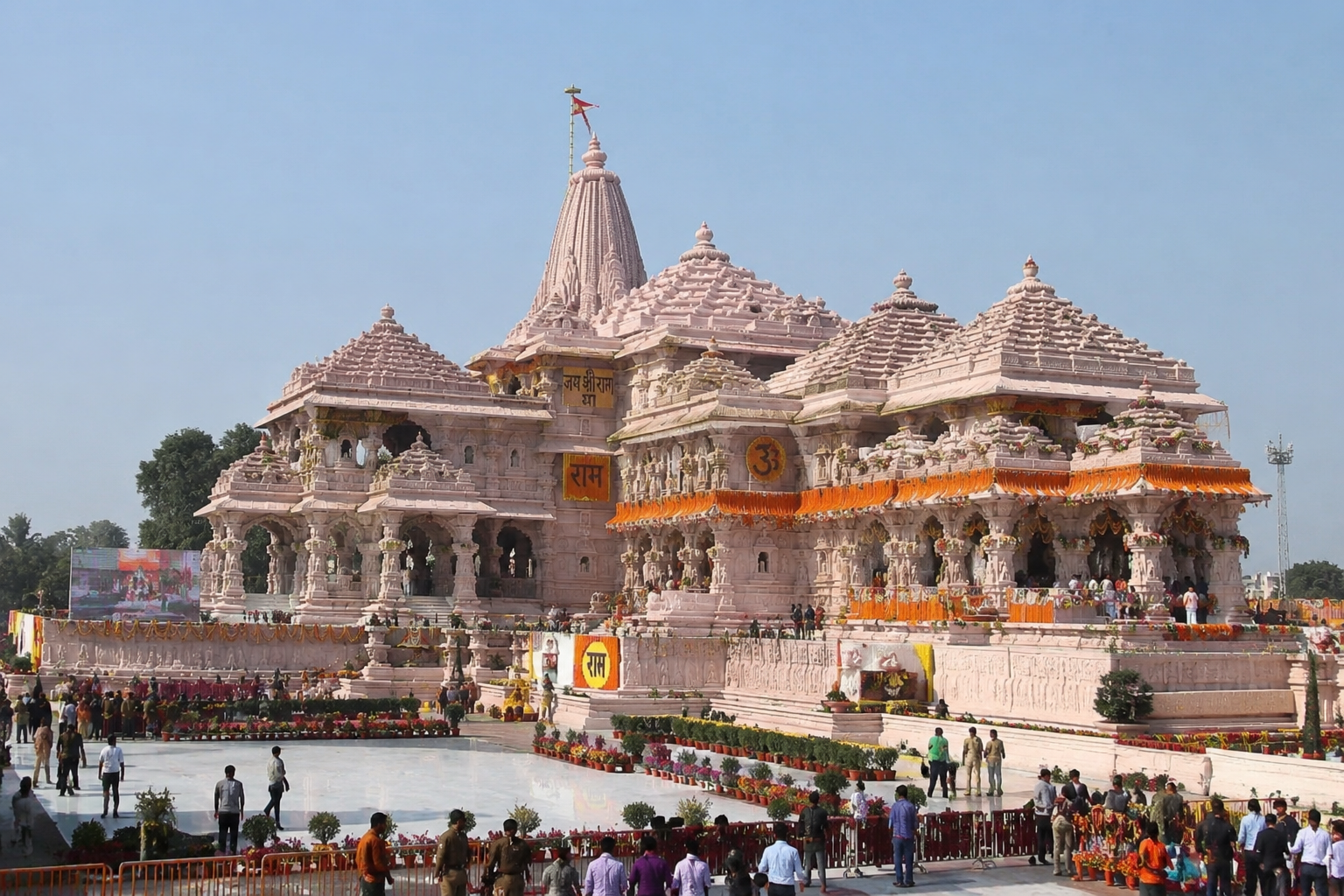
Ayodhya, Uttar Pradesh|♙ Lord Shri Ram
6:00 AM to 10:00 PM — Darshan: Free and VIP Darshan Available | Special entry fee: VIP Darshan charges may apply | District: Ayodhya
Today’s Darshan
3:00 AM – 11:00 PMOpen NowMangala Aarti
3:00 AMDailyBest Time to Visit
Oct – MarPleasant WeatherAvg. Visit Duration
1 – 2 HoursApprox.Ram Mandir Ayodhya is one of the most sacred Hindu temples in India and a symbol of faith for millions of devotees worldwide. Located in the holy city of Ayodhya in Uttar Pradesh, the temple is believed to stand at the birthplace of Lord Shri Ram, the seventh incarnation of Lord Vishnu. The temple represents devotion, cultural heritage, spirituality, and centuries of tradition associated with the Ramayana.
Particular | Details |
|---|---|
Temple Name | Shri Ram Janmabhoomi Mandir |
Location | Ayodhya, Uttar Pradesh, India |
Main Deity | Ram Lalla (Child Form of Lord Rama) |
Religion | Hinduism |
Significance | Believed Birthplace of Lord Rama |
Architectural Style | Nagara Style |
Temple Trust | Shri Ram Janmabhoomi Teerth Kshetra |
Nearest Airport | Maharishi Valmiki International Airport, Ayodhya |
Nearest Railway Station | Ayodhya Dham Junction |
Famous Festival | Ram Navami, Deepotsav, Diwali |
Ram Mandir Ayodhya is among the most revered pilgrimage destinations in India. Situated on the banks of the sacred Sarayu River, Ayodhya holds immense significance in Hindu tradition as the birthplace of Lord Rama. For centuries, devotees have visited this sacred city to seek blessings and connect with the values of righteousness, devotion, truth, and duty that Lord Rama represents.
The temple gained global attention because of its religious, cultural, and historical importance. Today, Ram Mandir stands as a grand spiritual center where pilgrims from across India and around the world gather to offer prayers to Ram Lalla and experience the divine atmosphere of Ayodhya.
The temple is not only a place of worship but also a symbol of faith, perseverance, and cultural identity. Its magnificent architecture, intricate carvings, and spiritual significance make it one of the most important temples in modern India.
Ayodhya has been mentioned in ancient Hindu scriptures, including the Ramayana, Skanda Purana, Vishnu Purana, and other sacred texts. According to Hindu tradition, Ayodhya was the capital of the Kosala Kingdom and the birthplace of Lord Rama.
For thousands of years, devotees have regarded this location as Ram Janmabhoomi, meaning the birthplace of Shri Ram.
Traditional accounts suggest that a temple dedicated to Lord Rama existed at the sacred birthplace for centuries. Over time, the site became a focal point of religious devotion and pilgrimage.
The history of the location spans several centuries and includes periods of construction, destruction, reconstruction, and legal proceedings. The site remained central to Hindu devotion throughout its history.
In recent decades, the Ram Janmabhoomi site became the subject of extensive legal and archaeological discussions. Following legal proceedings and decisions by Indian courts, the path was cleared for the construction of a grand Ram Mandir.
The foundation stone (Bhoomi Pujan) for the new temple was laid on 5 August 2020. The temple's consecration ceremony (Pran Pratishtha) of Ram Lalla was held in January 2024, marking a historic moment for millions of devotees.
Today, Ram Mandir stands as a monumental spiritual landmark and an important pilgrimage destination.
According to the Ramayana, Lord Rama was born to King Dasharatha and Queen Kaushalya in Ayodhya. Lord Rama is revered as the seventh incarnation of Lord Vishnu, who descended to earth to establish righteousness and destroy evil.
The birth of Lord Rama is celebrated every year as Ram Navami, one of the most important Hindu festivals.
The Ramayana narrates the life journey of Lord Rama, including:
These events form the foundation of Hindu ethics and spiritual teachings.
According to traditional beliefs, Ayodhya is one of the seven sacred cities (Sapta Puri) that grant spiritual merit and liberation.
It is believed that visiting Ayodhya and offering prayers at Ram Janmabhoomi brings peace, devotion, and divine blessings.
Lord Rama is widely known as "Maryada Purushottam," the ideal human being who followed righteousness in every aspect of life.
Devotees visit the temple seeking guidance in:
Ram Mandir is considered one of the most significant pilgrimage centers for Hindus. Pilgrims believe that darshan of Ram Lalla helps strengthen faith and devotion.
Every corner of Ayodhya reminds devotees of the events described in the Ramayana. Visiting Ram Mandir allows pilgrims to connect with the spiritual heritage of one of the world's most beloved epics.
According to local beliefs, devotees who pray with sincerity at Ram Mandir receive blessings for:
The temple is constructed in the traditional Nagara style of North Indian temple architecture.
This style is characterized by:
The temple is primarily built using high-quality sandstone sourced from Rajasthan.
Notable aspects include:
The walls and pillars feature detailed carvings depicting:
These carvings showcase India's rich artistic and spiritual traditions.
The temple complex includes:
The design combines spiritual grandeur with modern convenience.
The principal deity of the temple is Ram Lalla, the child form of Lord Rama.
The idol is the primary focus of worship and attracts millions of devotees.
The temple tradition also honors:
These figures are deeply connected with the Ramayana and the life of Lord Rama.
Hanuman Ji occupies a special place in Ayodhya's spiritual landscape. Many pilgrims also visit nearby Hanuman Garhi before or after visiting Ram Mandir.
Ram Navami is the most important festival celebrated at Ram Mandir.
Highlights include:
Ayodhya's Deepotsav has become internationally recognized.
Millions of lamps are lit across the city, symbolizing Lord Rama's return to Ayodhya after defeating Ravana.
Diwali holds special significance because it commemorates the return of Lord Rama to Ayodhya.
The city is beautifully decorated with lights, flowers, and devotional programs.
Many other Hindu festivals are celebrated with enthusiasm, attracting devotees from different regions.
According to traditional Hindu belief, the temple stands at the exact location where Lord Rama was born.
This belief has been preserved through generations of devotees.
Many pilgrims report experiencing a profound sense of peace and devotion while visiting the temple.
These experiences are deeply personal and form an important part of the temple's spiritual significance.
According to local traditions, sincere prayers offered at Ram Mandir help devotees develop courage, patience, and devotion.
Many visitors describe Ayodhya as a city filled with devotion, where the chanting of "Jai Shri Ram" creates a uniquely spiritual environment.
Note: Timings may change during festivals and special occasions.
Various aartis are conducted throughout the day.
Visitors are advised to check official temple sources for updated schedules before traveling.
Maharishi Valmiki International Airport, Ayodhya
The airport provides connectivity with major Indian cities.
Ayodhya Dham Junction
Regular trains connect Ayodhya with Delhi, Mumbai, Kolkata, Lucknow, Varanasi, and other cities.
Ayodhya is well connected through:
Road travel is convenient from Lucknow, Prayagraj, Varanasi, and Gorakhpur.
Temple Type
Other
Festivals
Ram Navami, Diwali, Deepotsav
Ram Mandir Ayodhya is one of the most sacred Hindu temples in India and a symbol of faith for millions of devotees worldwide. Located in the holy city of Ayodhya in Uttar Pradesh, the temple is believed to stand at the birthplace of Lord Shri Ram, the seventh incarnation of Lord Vishnu. The temple represents devotion, cultural heritage, spirituality, and centuries of tradition associated with the Ramayana.
Particular | Details |
|---|---|
Temple Name | Shri Ram Janmabhoomi Mandir |
Location | Ayodhya, Uttar Pradesh, India |
Main Deity | Ram Lalla (Child Form of Lord Rama) |
Religion | Hinduism |
Significance | Believed Birthplace of Lord Rama |
Architectural Style | Nagara Style |
Temple Trust | Shri Ram Janmabhoomi Teerth Kshetra |
Nearest Airport | Maharishi Valmiki International Airport, Ayodhya |
Nearest Railway Station | Ayodhya Dham Junction |
Famous Festival | Ram Navami, Deepotsav, Diwali |
Ram Mandir Ayodhya is among the most revered pilgrimage destinations in India. Situated on the banks of the sacred Sarayu River, Ayodhya holds immense significance in Hindu tradition as the birthplace of Lord Rama. For centuries, devotees have visited this sacred city to seek blessings and connect with the values of righteousness, devotion, truth, and duty that Lord Rama represents.
The temple gained global attention because of its religious, cultural, and historical importance. Today, Ram Mandir stands as a grand spiritual center where pilgrims from across India and around the world gather to offer prayers to Ram Lalla and experience the divine atmosphere of Ayodhya.
The temple is not only a place of worship but also a symbol of faith, perseverance, and cultural identity. Its magnificent architecture, intricate carvings, and spiritual significance make it one of the most important temples in modern India.
Ayodhya has been mentioned in ancient Hindu scriptures, including the Ramayana, Skanda Purana, Vishnu Purana, and other sacred texts. According to Hindu tradition, Ayodhya was the capital of the Kosala Kingdom and the birthplace of Lord Rama.
For thousands of years, devotees have regarded this location as Ram Janmabhoomi, meaning the birthplace of Shri Ram.
Traditional accounts suggest that a temple dedicated to Lord Rama existed at the sacred birthplace for centuries. Over time, the site became a focal point of religious devotion and pilgrimage.
The history of the location spans several centuries and includes periods of construction, destruction, reconstruction, and legal proceedings. The site remained central to Hindu devotion throughout its history.
In recent decades, the Ram Janmabhoomi site became the subject of extensive legal and archaeological discussions. Following legal proceedings and decisions by Indian courts, the path was cleared for the construction of a grand Ram Mandir.
The foundation stone (Bhoomi Pujan) for the new temple was laid on 5 August 2020. The temple's consecration ceremony (Pran Pratishtha) of Ram Lalla was held in January 2024, marking a historic moment for millions of devotees.
Today, Ram Mandir stands as a monumental spiritual landmark and an important pilgrimage destination.
According to the Ramayana, Lord Rama was born to King Dasharatha and Queen Kaushalya in Ayodhya. Lord Rama is revered as the seventh incarnation of Lord Vishnu, who descended to earth to establish righteousness and destroy evil.
The birth of Lord Rama is celebrated every year as Ram Navami, one of the most important Hindu festivals.
The Ramayana narrates the life journey of Lord Rama, including:
These events form the foundation of Hindu ethics and spiritual teachings.
According to traditional beliefs, Ayodhya is one of the seven sacred cities (Sapta Puri) that grant spiritual merit and liberation.
It is believed that visiting Ayodhya and offering prayers at Ram Janmabhoomi brings peace, devotion, and divine blessings.
Lord Rama is widely known as "Maryada Purushottam," the ideal human being who followed righteousness in every aspect of life.
Devotees visit the temple seeking guidance in:
Ram Mandir is considered one of the most significant pilgrimage centers for Hindus. Pilgrims believe that darshan of Ram Lalla helps strengthen faith and devotion.
Every corner of Ayodhya reminds devotees of the events described in the Ramayana. Visiting Ram Mandir allows pilgrims to connect with the spiritual heritage of one of the world's most beloved epics.
According to local beliefs, devotees who pray with sincerity at Ram Mandir receive blessings for:
The temple is constructed in the traditional Nagara style of North Indian temple architecture.
This style is characterized by:
The temple is primarily built using high-quality sandstone sourced from Rajasthan.
Notable aspects include:
The walls and pillars feature detailed carvings depicting:
These carvings showcase India's rich artistic and spiritual traditions.
The temple complex includes:
The design combines spiritual grandeur with modern convenience.
The principal deity of the temple is Ram Lalla, the child form of Lord Rama.
The idol is the primary focus of worship and attracts millions of devotees.
The temple tradition also honors:
These figures are deeply connected with the Ramayana and the life of Lord Rama.
Hanuman Ji occupies a special place in Ayodhya's spiritual landscape. Many pilgrims also visit nearby Hanuman Garhi before or after visiting Ram Mandir.
Ram Navami is the most important festival celebrated at Ram Mandir.
Highlights include:
Ayodhya's Deepotsav has become internationally recognized.
Millions of lamps are lit across the city, symbolizing Lord Rama's return to Ayodhya after defeating Ravana.
Diwali holds special significance because it commemorates the return of Lord Rama to Ayodhya.
The city is beautifully decorated with lights, flowers, and devotional programs.
Many other Hindu festivals are celebrated with enthusiasm, attracting devotees from different regions.
According to traditional Hindu belief, the temple stands at the exact location where Lord Rama was born.
This belief has been preserved through generations of devotees.
Many pilgrims report experiencing a profound sense of peace and devotion while visiting the temple.
These experiences are deeply personal and form an important part of the temple's spiritual significance.
According to local traditions, sincere prayers offered at Ram Mandir help devotees develop courage, patience, and devotion.
Many visitors describe Ayodhya as a city filled with devotion, where the chanting of "Jai Shri Ram" creates a uniquely spiritual environment.
Note: Timings may change during festivals and special occasions.
Various aartis are conducted throughout the day.
Visitors are advised to check official temple sources for updated schedules before traveling.
Maharishi Valmiki International Airport, Ayodhya
The airport provides connectivity with major Indian cities.
Ayodhya Dham Junction
Regular trains connect Ayodhya with Delhi, Mumbai, Kolkata, Lucknow, Varanasi, and other cities.
Ayodhya is well connected through:
Road travel is convenient from Lucknow, Prayagraj, Varanasi, and Gorakhpur.
Free Accommodation
for devotees
Free Meals
(Annaprasadam)
Cloak Room
Facility
Laddu Prasadam
Sales
Drinking Water
Available
Wheelchair
Facility
Medical
Services
Security
24/7
Directions will be updated soon.
4.5
Based on 0 reviews
May 15, 2025
Very peaceful and divine experience. The arrangements were excellent.

May 10, 2025
Darshan was smooth and well organized. A memorable spiritual visit!

May 06, 2025
A spiritual journey like no other. Will visit again.
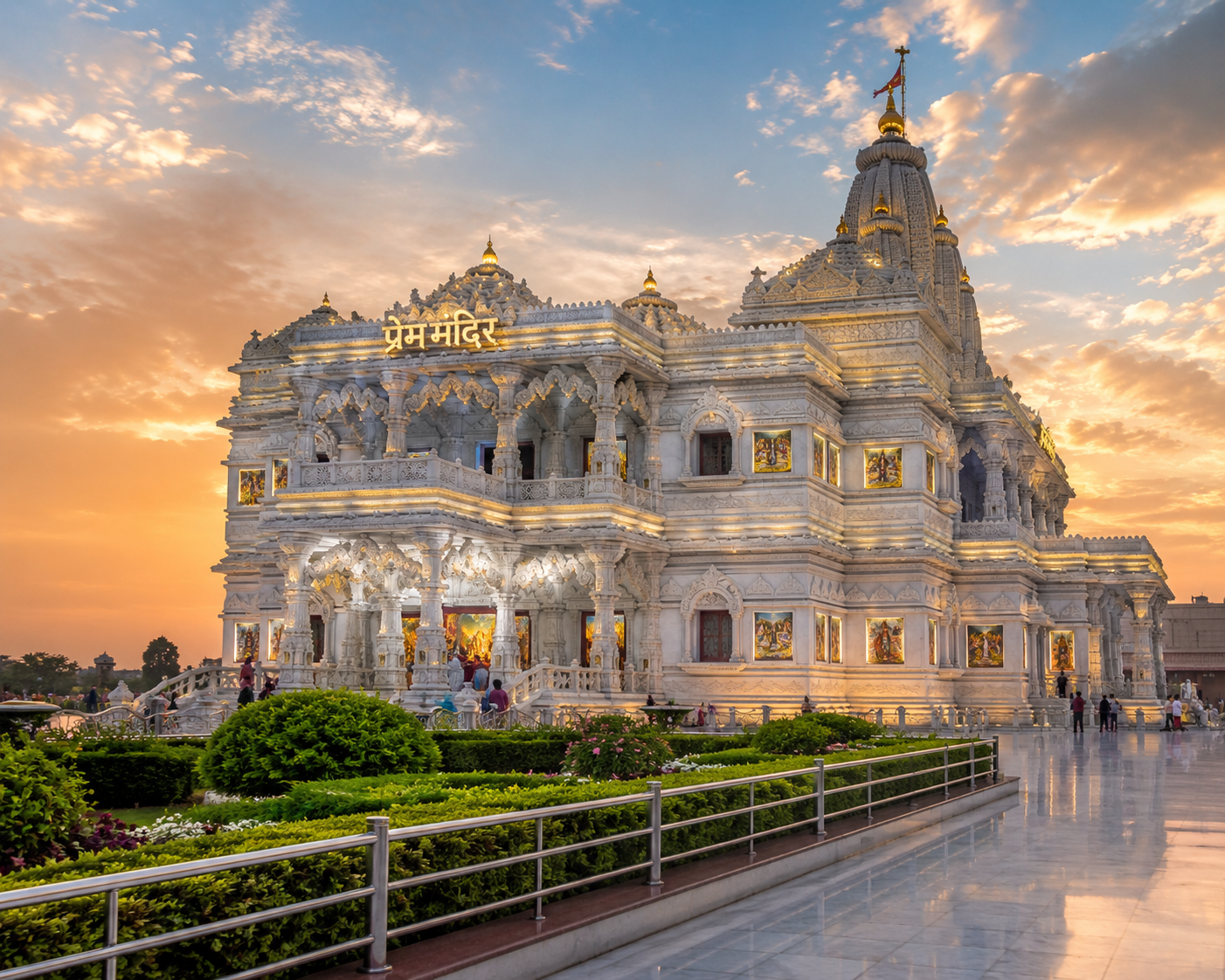 Vrindavan, Uttar Pradesh
Vrindavan, Uttar Pradesh
Radha Krishna
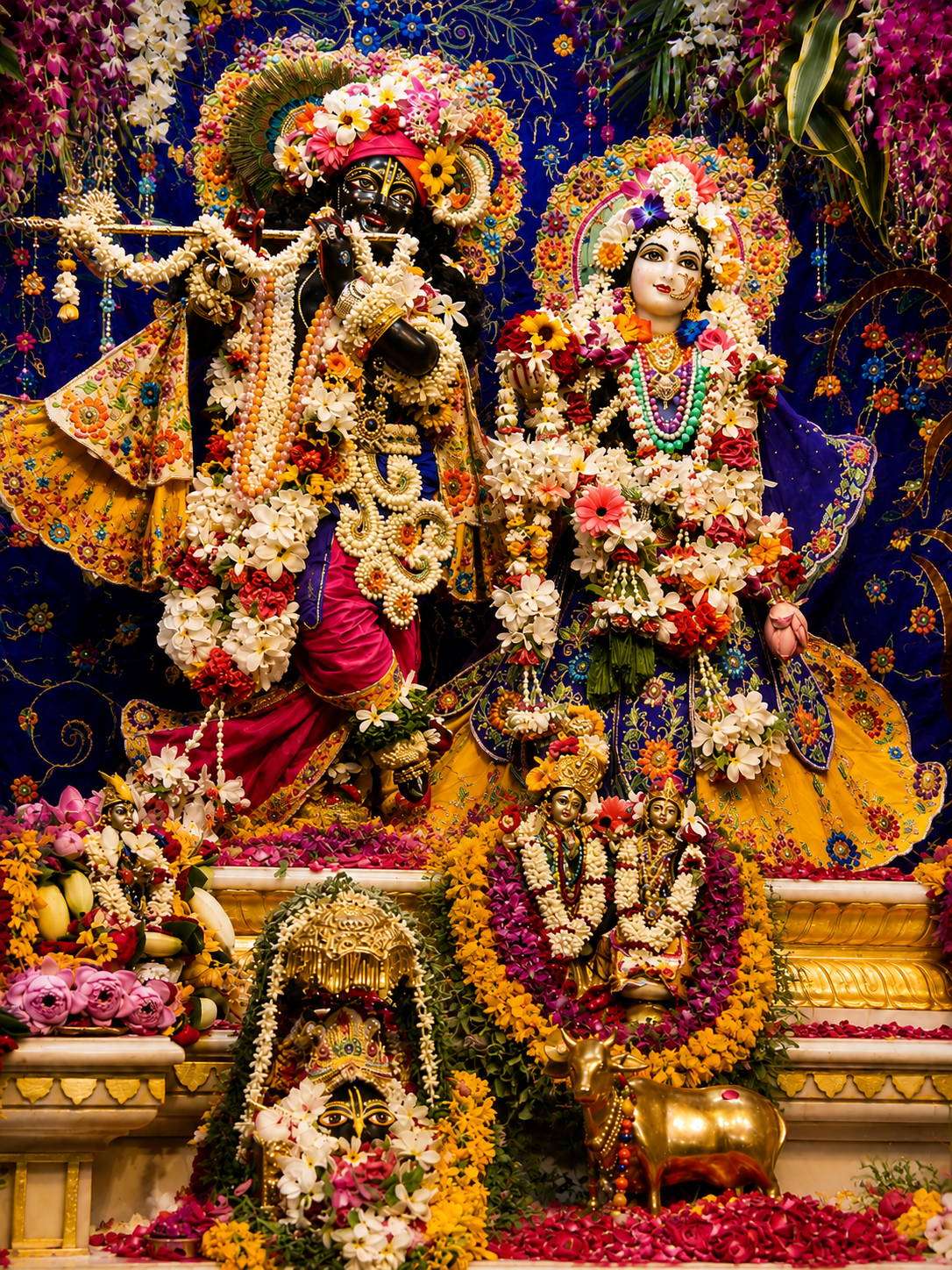 Vrindavan, Uttar Pradesh
Vrindavan, Uttar Pradesh
Lord Krishna (Banke Bihari)
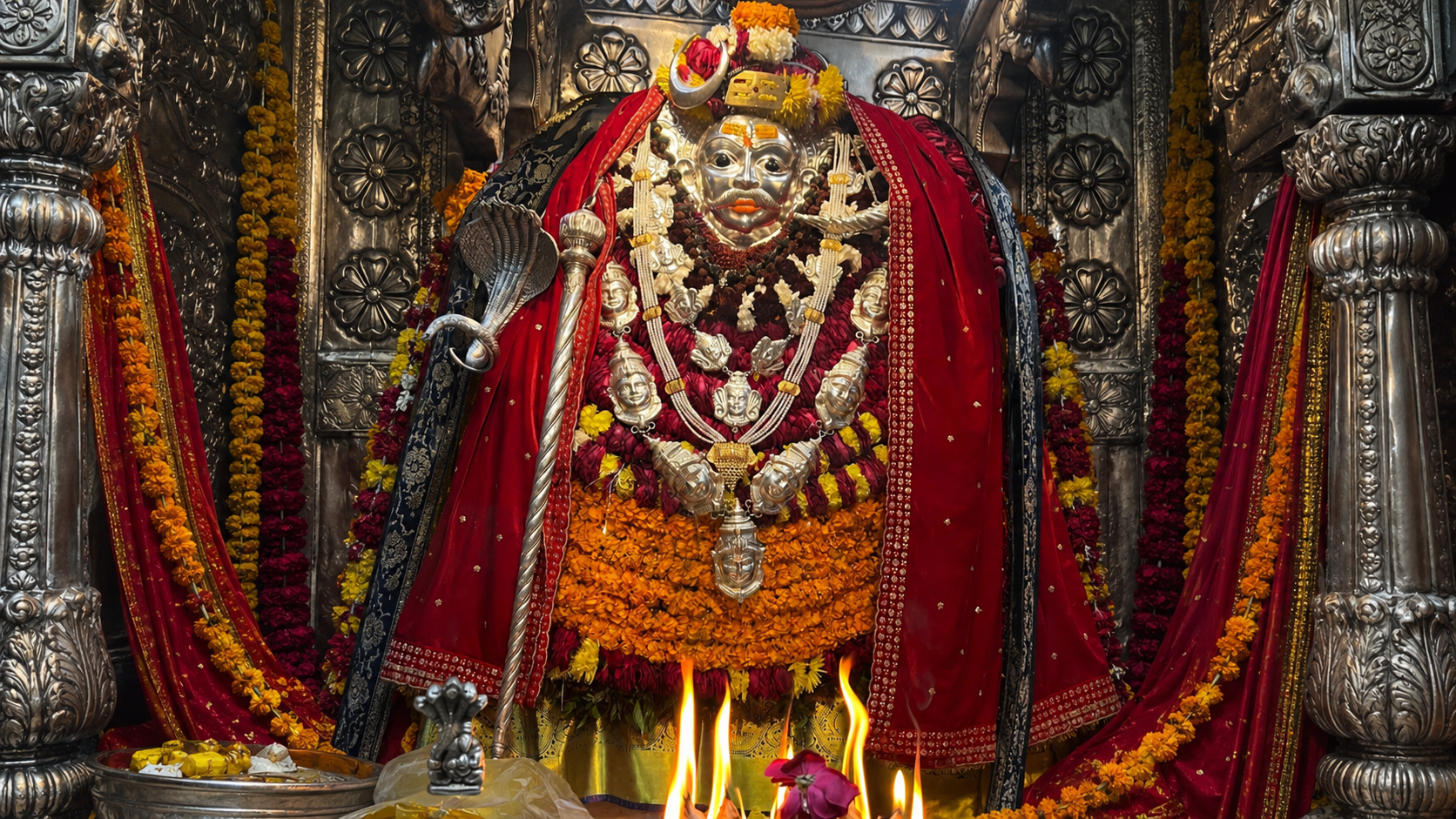 Ujjain, Madhya Pradesh
Ujjain, Madhya Pradesh
Kaal Bhairav (Lord Shiva)
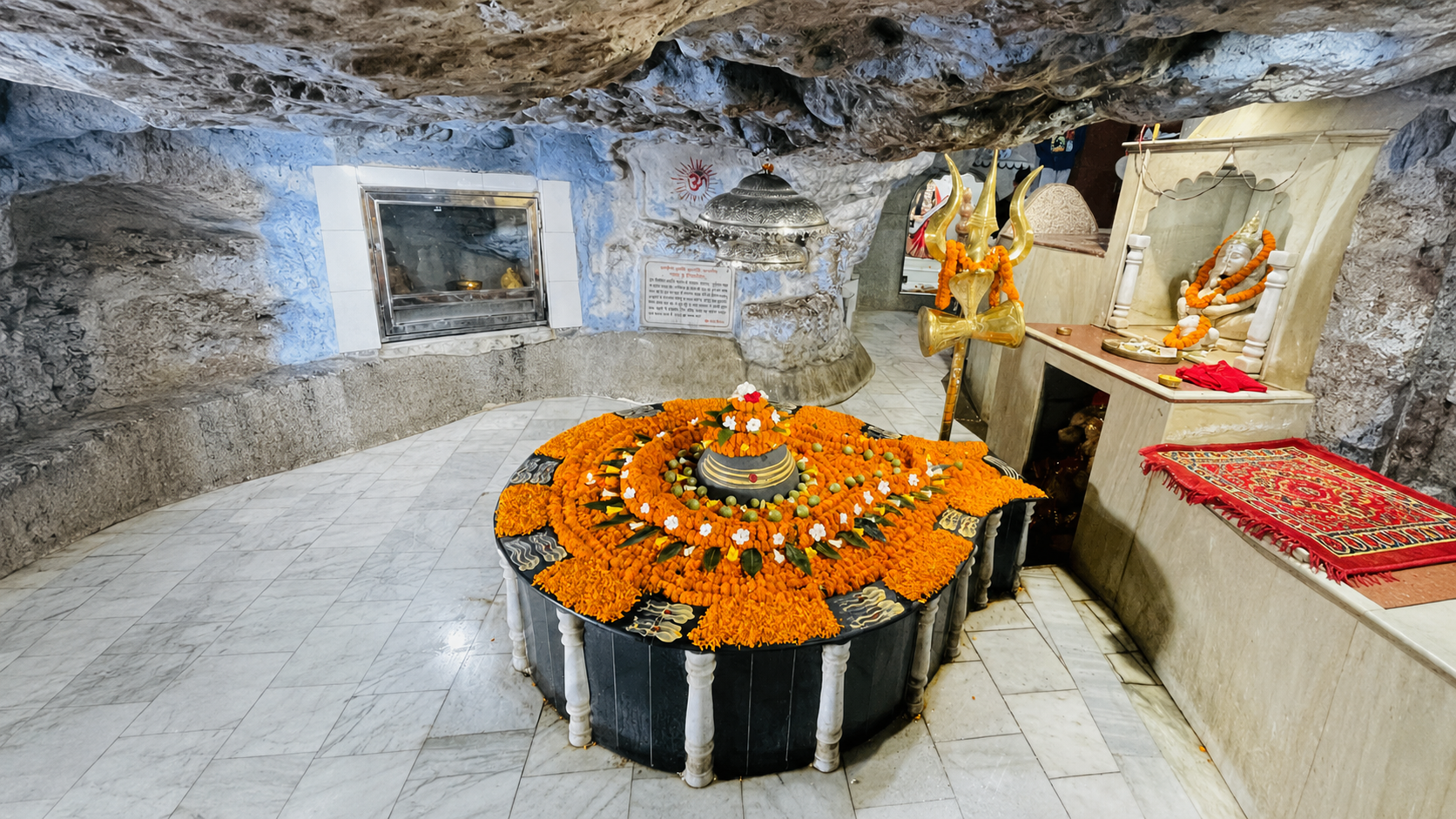 Prayagraj, Uttar Pradesh
Prayagraj, Uttar Pradesh
Lord Shiva (Takshkeshwer Nath)
Subscribe to get updates on temples, festivals, travel guides and special offers.