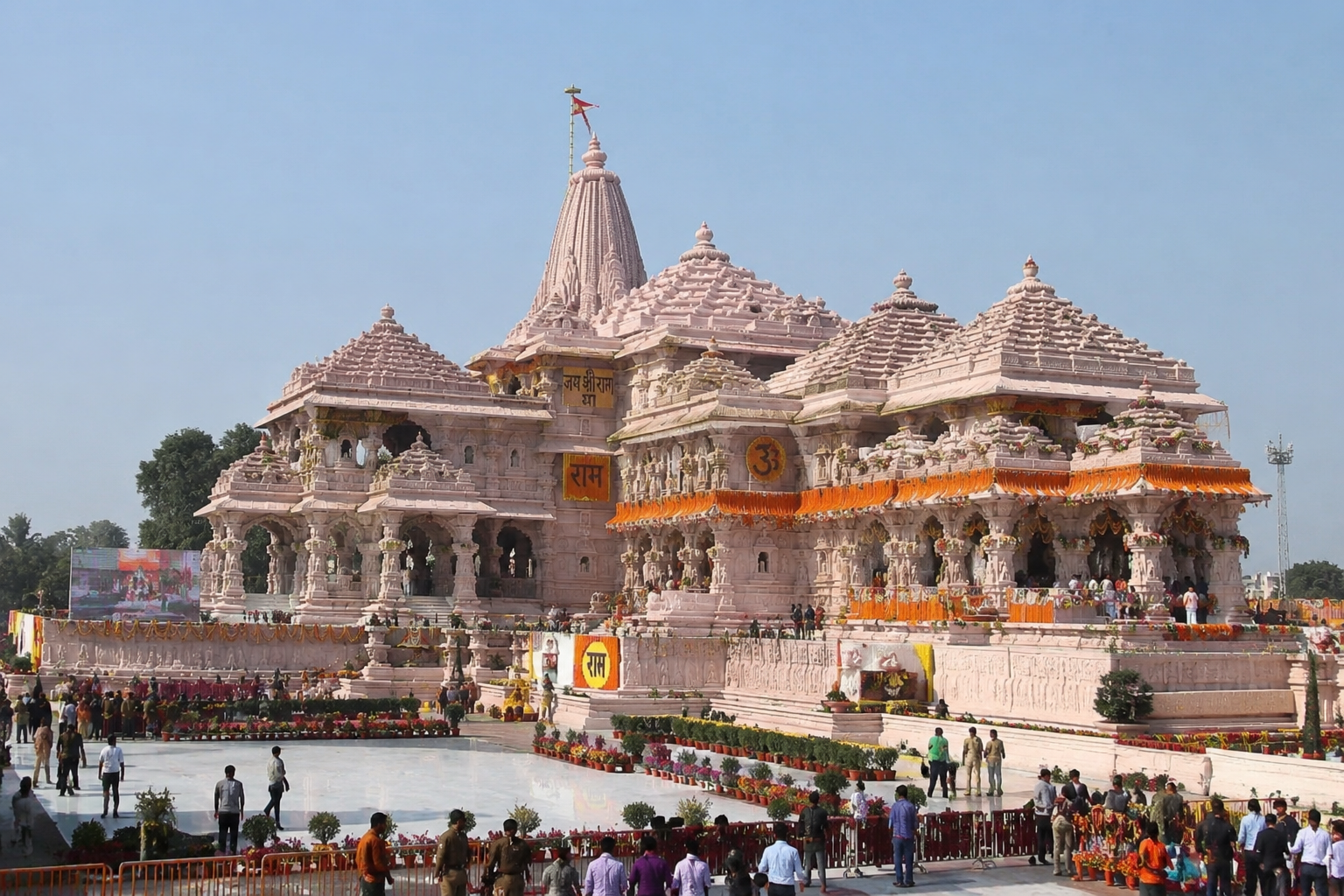
 📍 Ayodhya, Uttar Pradesh
Shri Ram Janmabhoomi Mandir
Ayodhya, Uttar Pradesh
6:00 AM to 10:00 PM — Darshan: Free and VIP Darshan Available | Special entry fee: VIP Darshan charges may apply | District: Ayodhya
View Details
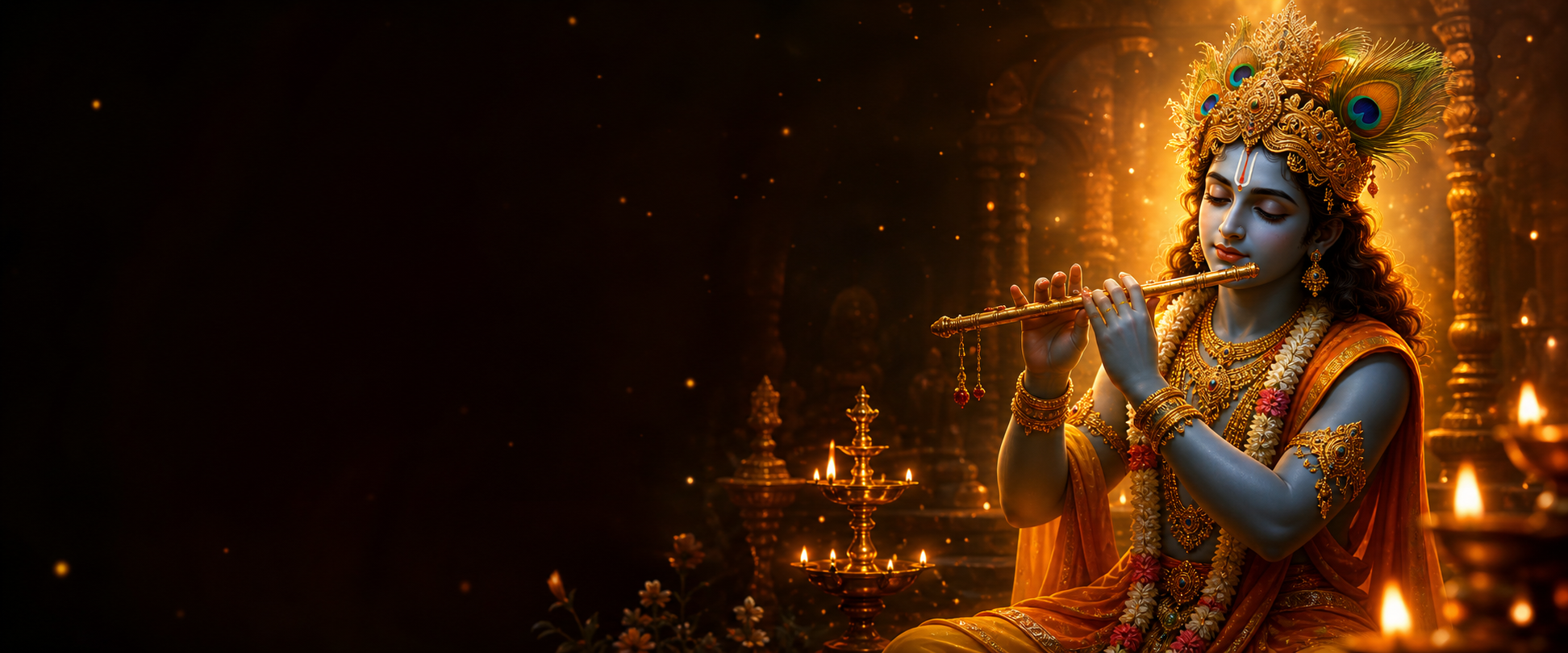
Seek Lord Krishna’s divine blessings with Krishna Puja. Immerse in devotion, chant mantras, and invite peace, love, and prosperity.
Explore sacred mandirs for your next pilgrimage.
📍 Ayodhya, Uttar PradeshAyodhya, Uttar Pradesh
6:00 AM to 10:00 PM — Darshan: Free and VIP Darshan Available | Special entry fee: VIP Darshan charges may apply | District: Ayodhya
View Details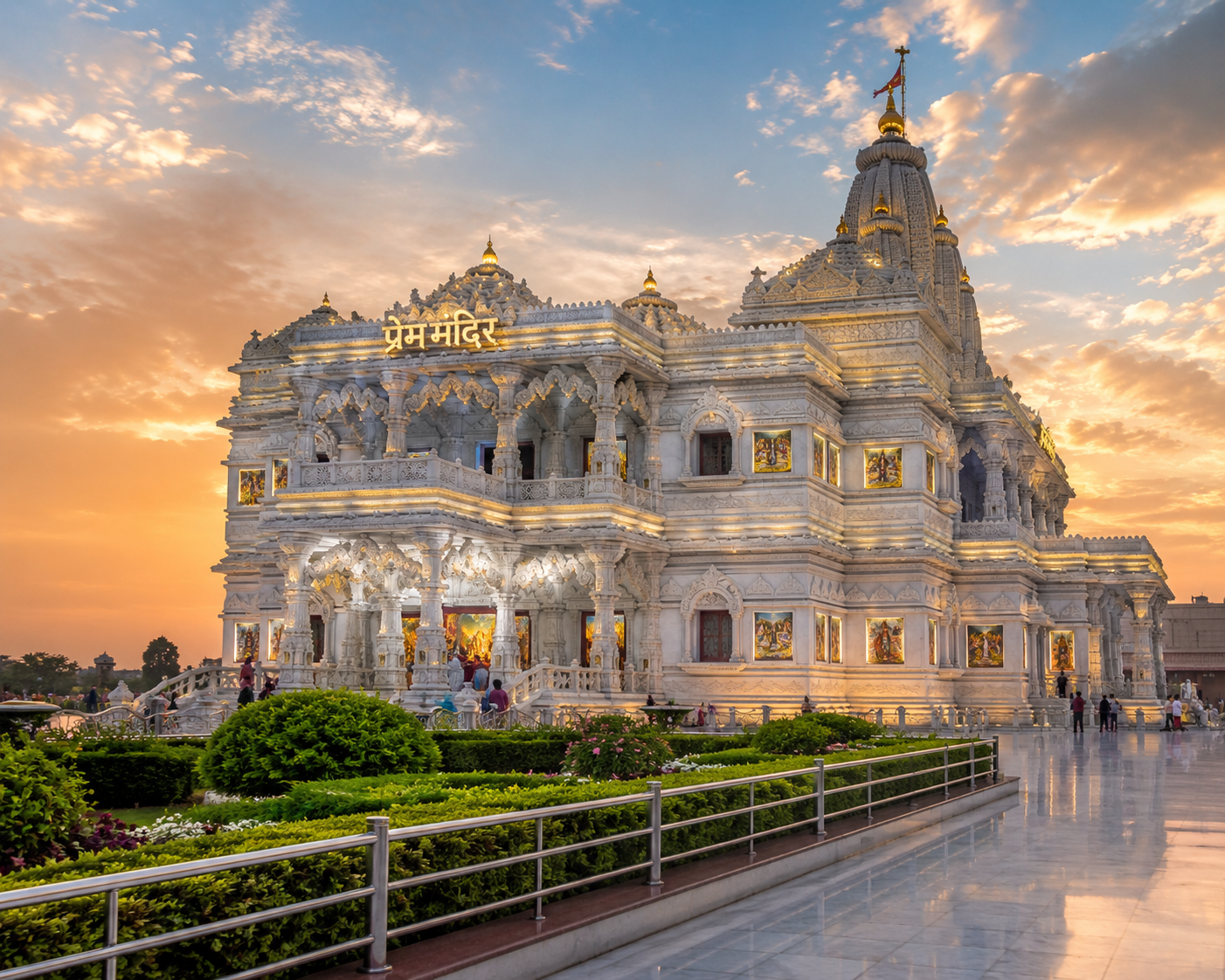 📍 Vrindavan, Uttar Pradesh
Vrindavan, Uttar Pradesh
Prem Mandir is one of the most magnificent and spiritually significant temples in Vrindavan, Uttar Pradesh. Dedicated to Radha Rani and Lord Krishna, the temple is widely known for its breathtaking white marble architecture, intricate carvings, beautiful gardens, and divine atmosphere. The name "Prem Mandir" literally means "Temple of Divine Love," reflecting its core message of love, devotion, and surrender to God. Located on Chhatikara Road in Vrindavan, Prem Mandir attracts millions of devotees and tourists every year. Whether one visits for spiritual reasons, architectural appreciation, or cultural exploration, the temple offers a memorable and uplifting experience. Today, it is considered one of the most beautiful temples in India and a major attraction in the sacred land of Braj. History of Prem MandirPrem Mandir was envisioned and established by Jagadguru Shri Kripalu Ji Maharaj, a renowned spiritual leader and preacher of divine love and devotion. His mission was to spread the message that true happiness and liberation can be achieved through selfless devotion to God. The foundation stone of the temple was laid on 14 January 2001, and thousands of artisans and craftsmen worked for more than a decade to complete this grand structure. The temple was finally inaugurated and opened to devotees in 2012. Built entirely from high-quality Italian marble, the temple was designed not only as a place of worship but also as a spiritual center where visitors could learn about the divine pastimes of Radha and Krishna through art, architecture, and devotional experiences. Since its inauguration, Prem Mandir has become one of the most visited pilgrimage destinations in Vrindavan and a symbol of devotion and divine love. The Sacred Land of VrindavanTo understand the significance of Prem Mandir, one must understand the importance of Vrindavan itself. According to Hindu tradition, Vrindavan is the land where Lord Krishna spent his childhood and youth. It is here that he performed many of his most beloved divine pastimes, including:Raas Leela with the GopisGovardhan LeelaKaliya Naag DamanMakhan Chori (Butter Theft)Flute Playing in the forests of VrindavanFor centuries, saints, devotees, and spiritual seekers have visited Vrindavan to experience the divine presence of Lord Krishna. Prem Mandir beautifully captures these sacred stories through sculptures and artistic displays. The Spiritual Story Behind Prem MandirThe central message of Prem Mandir is simple yet profound: God can be attained through pure love and devotion. Jagadguru Kripalu Ji Maharaj taught that love is the highest spiritual path and that every soul is eternally connected with the Supreme Lord through divine love. The temple was therefore created not merely as an architectural monument but as a living expression of this philosophy. As visitors enter the temple premises, they are reminded that spirituality is not only about rituals but also about developing a loving relationship with God. The atmosphere of Prem Mandir encourages inner peace, devotion, compassion, and selfless love. Architectural Marvel of Prem MandirItalian Marble ConstructionOne of the most striking features of Prem Mandir is its construction using pure white Italian marble. The marble gives the temple an elegant and heavenly appearance. Every pillar, wall, and archway has been carefully crafted with exceptional detail.Intricate CarvingsThe temple walls are adorned with artistic depictions of Lord Krishna's divine pastimes, including:Govardhan LiftingRaas LeelaKaliya Naag DamanChildhood Sports of KrishnaDivine interactions with devoteesThese carvings serve as visual scriptures, helping visitors understand the spiritual stories associated with Krishna.Grand Temple ComplexThe temple complex includes:Beautiful gardensDecorative pathwaysMusical fountainsSpiritual exhibitsDevotional sculpturesThe spacious design allows thousands of visitors to move comfortably throughout the premises.Night IlluminationOne of the biggest attractions of Prem Mandir is its spectacular lighting system. Every evening, the temple is illuminated with colorful lights that continuously change patterns and shades. The glowing marble structure creates a magical atmosphere that attracts visitors from around the world. Main Deities Worshipped in Prem MandirRadha KrishnaThe main sanctum of Prem Mandir houses beautiful idols of Radha Rani and Lord Krishna. The divine couple symbolizes unconditional love, devotion, and spiritual unity.Sita RamThe upper level of the temple contains magnificent idols of:Lord RamaGoddess SitaLakshmanaHanumanThis inclusion highlights the broader Vaishnava tradition and the importance of devotion across different divine manifestations. Religious and Spiritual SignificancePrem Mandir is not merely a tourist destination; it is a center of spiritual transformation. Devotees believe that visiting the temple helps them:Develop devotion toward GodExperience inner peaceStrengthen faithReduce stress and anxietyConnect with divine loveMany visitors spend time meditating, chanting, and participating in devotional activities within the temple premises. According to local beliefs, sincere prayers offered at Prem Mandir bring spiritual blessings and positive energy into one's life. Major Festivals Celebrated at Prem MandirJanmashtamiJanmashtami, the birth anniversary of Lord Krishna, is celebrated with extraordinary devotion. Special events include:Midnight prayersBhajan and kirtan programsDecorative displaysCultural performancesThousands of devotees gather to celebrate Krishna's appearance on Earth.RadhashtamiRadhashtami marks the appearance day of Radha Rani and is celebrated with great enthusiasm.HoliVrindavan's Holi celebrations are famous worldwide. During Holi, Prem Mandir becomes a vibrant center of colors, devotion, and joy.Jhulan UtsavDuring the monsoon season, beautifully decorated swings are prepared for Radha Krishna, and special devotional ceremonies are organized. Musical Fountain ShowThe musical fountain show at Prem Mandir is one of its most popular attractions. The show combines:Devotional musicWater choreographyColorful lightsSpiritual storytellingThousands of visitors gather every evening to witness this mesmerizing performance. The fountain show beautifully complements the temple's spiritual atmosphere and artistic beauty. Nearby Famous TemplesVisitors to Prem Mandir often include other important temples of Vrindavan in their pilgrimage journey.ISKCON Krishna Balaram TempleDistance: Approximately 1 km A globally recognized temple established by ISKCON and dedicated to Krishna and Balaram.Banke Bihari TempleDistance: Approximately 3 km One of the most famous Krishna temples in India.NidhivanDistance: Approximately 3 km A sacred grove associated with the divine Raas Leela of Radha and Krishna.Radha Raman TempleDistance: Approximately 3.5 km Known for its self-manifested deity of Lord Krishna.Rangji TempleDistance: Approximately 2.5 km A unique temple blending South Indian and North Indian architectural styles.Shahji TempleDistance: Approximately 3 km Famous for its beautiful marble pillars and artistic design.Govind Dev Ji TempleDistance: Approximately 3 km One of the oldest and most historically important temples in Vrindavan. Temple Timings and Visitor InformationPrem Mandir generally remains open from early morning until evening. Visitors are advised to:Arrive early during weekends and festivals.Attend the evening lighting ceremony.Watch the musical fountain show.Wear modest clothing suitable for a religious place.Entry to the temple is generally free. Interesting Facts About Prem MandirPrem Mandir is built entirely from Italian marble.The temple was established by Jagadguru Shri Kripalu Ji Maharaj.Construction took more than a decade to complete.The temple was inaugurated in 2012.It is one of the largest modern temples in Vrindavan.The carvings depict various episodes from Lord Krishna's life.The evening illumination is one of the temple's biggest attractions.Millions of devotees visit every year.The temple promotes the philosophy of divine love and devotion.The musical fountain show attracts visitors from across India and abroad.
View Details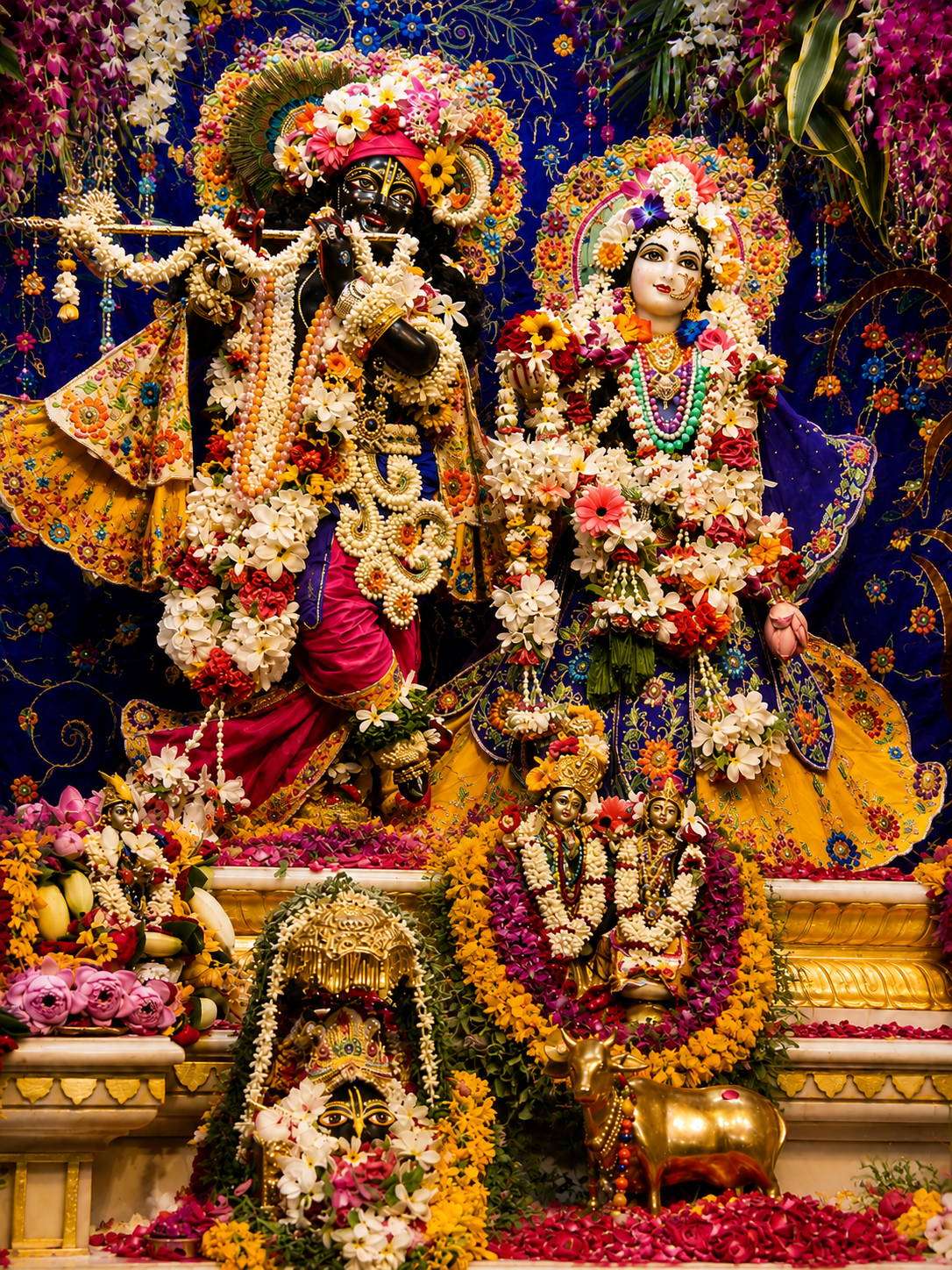 📍 Vrindavan, Uttar Pradesh
Vrindavan, Uttar Pradesh
बाँके बिहारी मंदिरबाँके बिहारी मंदिर भारत के सबसे प्रसिद्ध और पूजनीय वैष्णव मंदिरों में से एक है। यह उत्तर प्रदेश के मथुरा जनपद स्थित वृंदावन में स्थित है और भगवान श्रीकृष्ण के बाल स्वरूप "बाँके बिहारी" को समर्पित है। "बाँके बिहारी" नाम का अर्थ है त्रिभंग मुद्रा (तीन स्थानों से मुड़ी हुई मनमोहक मुद्रा) में खड़े भगवान श्रीकृष्ण, जो अपनी दिव्य सुंदरता, मधुर मुस्कान और आकर्षक स्वरूप से भक्तों का मन मोह लेते हैं। इस मंदिर की स्थापना वर्ष 1864 में महान संत, कृष्ण भक्त एवं प्रसिद्ध संगीतज्ञ स्वामी हरिदास जी ने की थी। मान्यता है कि स्वामी हरिदास जी की गहन भक्ति, साधना और मधुर भजन-कीर्तन से प्रसन्न होकर भगवान श्रीकृष्ण ने निधिवन में श्री बाँके बिहारी के दिव्य विग्रह के रूप में प्रकट होकर भक्तों को दर्शन दिए। बाद में उसी दिव्य विग्रह को वर्तमान मंदिर में विधिवत स्थापित किया गया। बाँके बिहारी मंदिर की सबसे अनोखी विशेषता इसकी दर्शन व्यवस्था है। यहाँ भगवान के सामने लगा पर्दा (झांकी) कुछ-कुछ क्षणों के अंतराल पर बार-बार खोला और बंद किया जाता है। ऐसी मान्यता है कि श्री बाँके बिहारी की मनमोहक और करुणामयी दृष्टि इतनी प्रभावशाली है कि यदि भक्त लगातार उनके दर्शन करें तो वे भगवान की दिव्य लीला में पूरी तरह तल्लीन हो सकते हैं। इसी कारण यह विशेष परंपरा सदियों से आज भी निभाई जा रही है। प्रतिदिन भगवान बाँके बिहारी का अत्यंत भव्य श्रृंगार किया जाता है। उन्हें सुंदर एवं आकर्षक वस्त्र, बहुमूल्य आभूषण तथा ताजे पुष्पों से सजाया जाता है। दिनभर विभिन्न प्रकार की सेवाएँ, आरतियाँ और भोग अर्पित किए जाते हैं, जिनका दर्शन करने के लिए दूर-दूर से श्रद्धालु आते हैं। यह मंदिर विशेष रूप से होली, श्रीकृष्ण जन्माष्टमी, झूलन उत्सव, राधाष्टमी और शरद पूर्णिमा जैसे पर्वों पर अत्यंत भव्य रूप धारण कर लेता है। विशेषकर फूलों की होली यहाँ विश्वभर में प्रसिद्ध है, जिसमें भगवान पर रंगों के साथ-साथ सुगंधित पुष्पों की वर्षा की जाती है। इस अवसर पर हजारों श्रद्धालु मंदिर परिसर में एकत्र होकर भक्ति, संगीत और उत्साह के साथ इस दिव्य उत्सव का आनंद लेते हैं। हर वर्ष देश-विदेश से लाखों श्रद्धालु और पर्यटक बाँके बिहारी मंदिर के दर्शन के लिए वृंदावन पहुँचते हैं। मंदिर तक जाने वाली संकरी गलियाँ फूलों, प्रसाद, मिठाइयों, पूजा सामग्री और धार्मिक स्मृति-चिह्नों की दुकानों से सजी रहती हैं, जो वृंदावन की आध्यात्मिक और सांस्कृतिक पहचान को और भी जीवंत बनाती हैं। आज बाँके बिहारी मंदिर ब्रज क्षेत्र की भक्ति परंपरा, संस्कृति और आध्यात्मिक विरासत का एक अमूल्य केंद्र है। यह मंदिर न केवल भगवान श्रीकृष्ण के भक्तों के लिए आस्था का प्रमुख स्थान है, बल्कि भारतीय संस्कृति, संगीत, भक्ति और सनातन परंपरा का भी एक अद्भुत प्रतीक माना जाता है।
View Details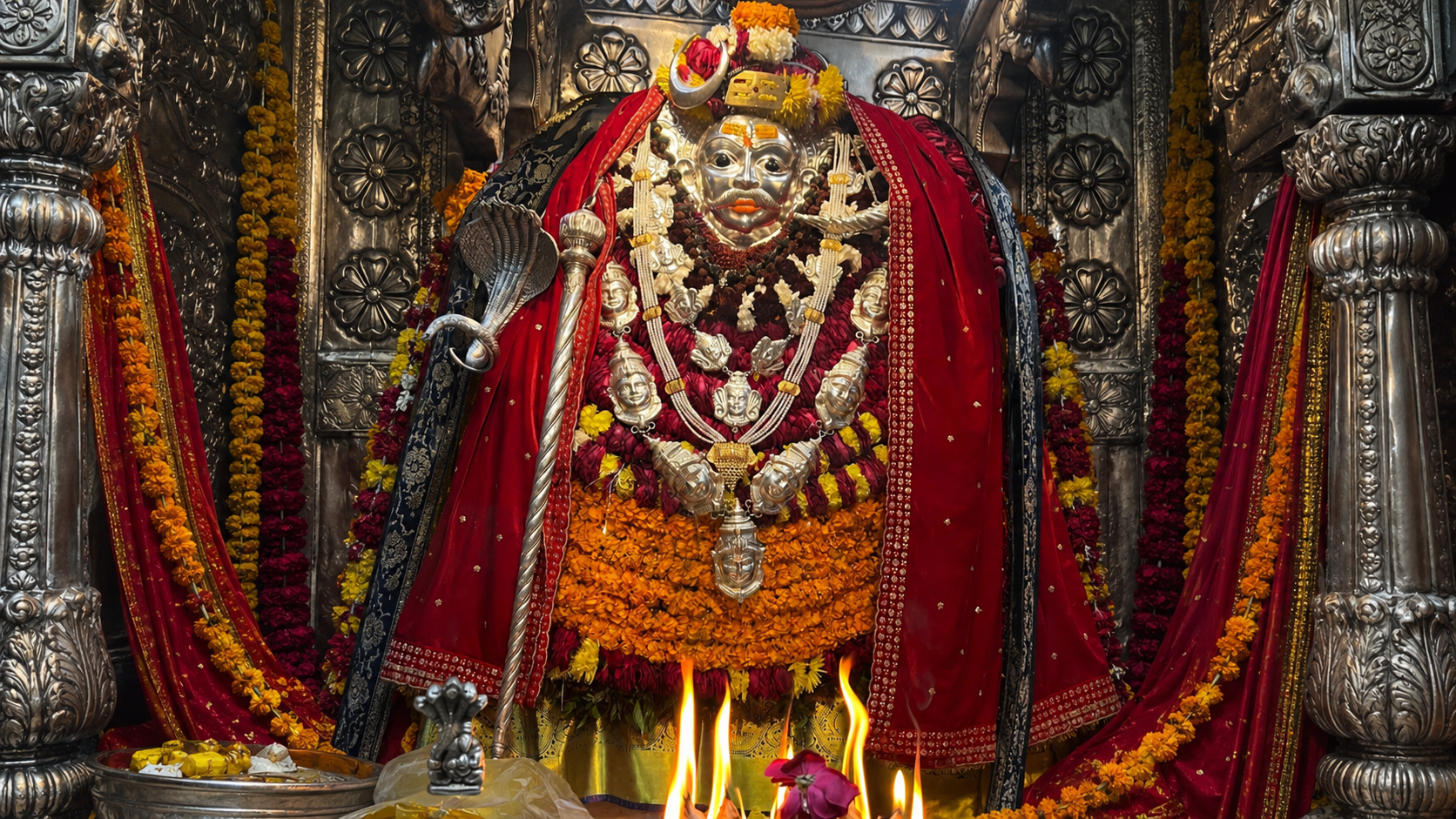 📍 Ujjain, Madhya Pradesh
Ujjain, Madhya Pradesh
Shri Kalabhairav Temple is one of the most ancient and sacred Shaiva temples in India, located in the holy city of Ujjain, Madhya Pradesh. The presiding deity is Kaal Bhairav, a fierce manifestation of Lord Shiva who is considered the Kotwal (guardian) of Ujjain. The temple is believed to be thousands of years old and is mentioned in ancient texts including the Puranas. Kaal Bhairav is worshipped as the protector of the city and is considered to grant boons to devotees who seek his blessings with devotion. One of the most remarkable features of the Kalabhairav Temple is the offering of liquor (Madhusava) to the deity, which is a unique and ancient tradition followed here. The idol of Kaal Bhairav is seen to consume the liquor offered, a phenomenon that has fascinated devotees and scholars alike for centuries. The temple is situated on the banks of the sacred Shipra River, adding to its spiritual ambiance. Ujjain is one of the seven sacred cities (Sapta Puri) in Hinduism and is famous for the Kumbh Mela (Simhastha) held every 12 years. The Kalabhairav Temple is a key pilgrimage site in Ujjain and is visited by thousands of devotees daily who come to seek the blessings of Kaal Bhairav for protection, courage, and liberation from fear.
View Details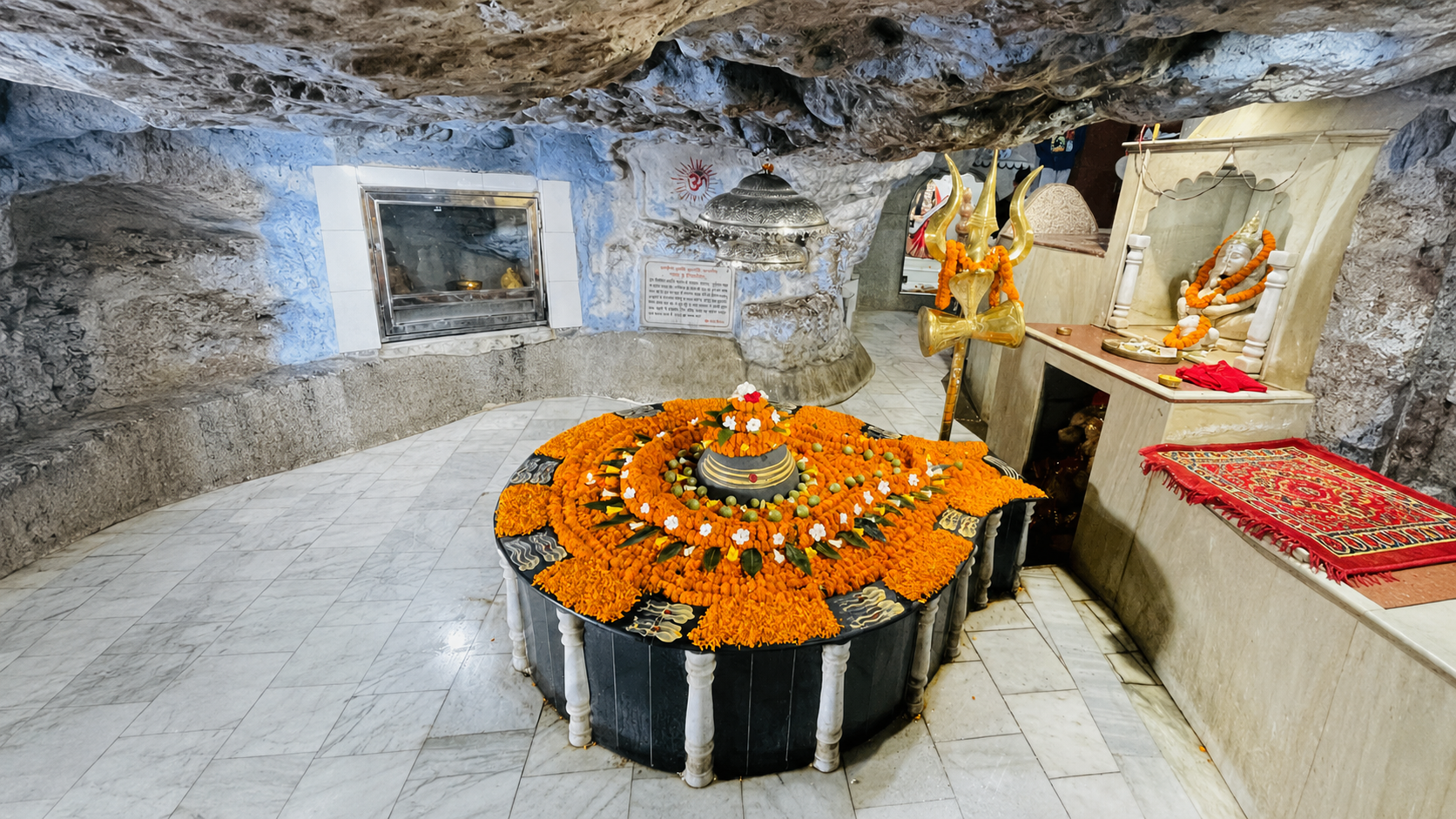 📍 Prayagraj, Uttar Pradesh
Prayagraj, Uttar Pradesh
Takshkeshwer Nath Temple is an ancient and revered Shaiva temple dedicated to Lord Shiva, located in Daraganj area of Prayagraj (formerly Allahabad), Uttar Pradesh. The presiding deity is Takshkeshwer Nath, a form of Lord Shiva believed to grant protection and blessings to devotees. The temple holds immense religious significance and is closely associated with the sacred Triveni Sangam — the confluence of the holy rivers Ganga, Yamuna, and the mythical Saraswati. The temple is believed to be of great antiquity and has been a significant place of worship for devotees for thousands of years. Legend has it that the temple is associated with Takshaka, the king of serpents (Nagas) from Hindu mythology, and Lord Shiva is worshipped here as the protector from serpent-related afflictions. The area of Daraganj where the temple is located is itself considered sacred due to its proximity to the Sangam. Prayagraj is one of the holiest cities in Hinduism, known for hosting the famous Kumbh Mela, the world's largest religious gathering, held every 12 years. The Takshkeshwer Nath Temple is an integral part of the religious circuit of Prayagraj and is visited by thousands of pilgrims who come to offer prayers, especially during the holy month of Shravan (Sawan) and on Mahashivratri.
View Details 📍 Vrindavan, Uttar Pradesh
Vrindavan, Uttar Pradesh
Vrindavan Chandrodaya Temple is an ambitious and magnificent Vaishnava temple project under construction in Vrindavan, Mathura, Uttar Pradesh. When completed, it is set to become one of the tallest religious structures in the world, rising to a planned height of 700 feet (213 meters) across 62 floors. Dedicated to Radha-Krishna, this spiritual skyscraper is being built by ISKCON Bangalore on a sprawling 62-acre campus in the sacred land of Vrindavan. The main attraction of the temple will be a state-of-the-art capsule elevator that will take visitors to observation decks at the top, offering breathtaking panoramic views of the entire Braj Mandal — the sacred region associated with the childhood of Lord Krishna. The complex also includes a world-class vedic theme park, a community center, a research and education center, and a devotee guest house. The temple aims to create an immersive spiritual experience that blends ancient Vedic culture with modern architectural innovation. The interior will depict scenes from Krishna's life through cutting-edge multimedia and light experiences, making it not just a place of worship but also an educational and cultural center. Vrindavan Chandrodaya Temple is envisioned as a global spiritual landmark that will draw millions of pilgrims and tourists from around the world to the holy city of Vrindavan.
View Details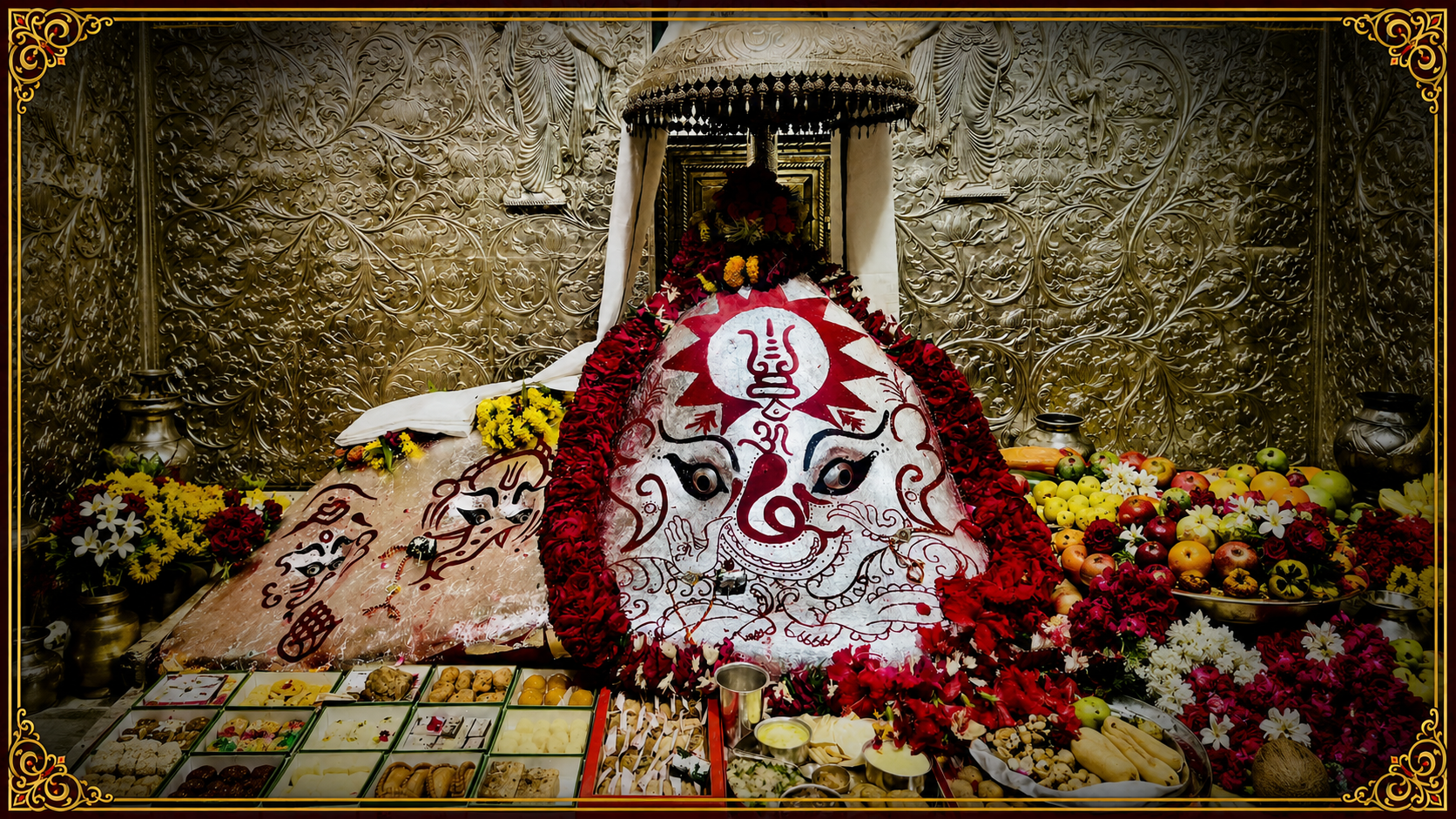 📍 Ujjain, Madhya Pradesh
Ujjain, Madhya Pradesh
Chintaman Ganesh Temple is one of the most ancient and sacred Ganesh temples in India, located on the banks of the Shipra River in Ujjain, Madhya Pradesh. This revered temple is dedicated to Lord Ganesh, who is worshipped here in three divine forms: Chintaman (remover of worries), Ichhaman (fulfiller of wishes), and Siddhivinayak (bestower of success). The temple is of immense religious significance and is counted among the eight Swayambhu (self-manifested) Ganesh temples in India. The presiding deity, Lord Chintaman Ganesh, is believed to have been worshipped here since time immemorial. The temple was reportedly built during the reign of the Maratha kings in the 18th century, though the deity itself is considered to be much more ancient. The idol is beautifully adorned with garlands, and the atmosphere inside the temple is deeply devotional and serene. Ujjain, being one of the holiest cities in Hinduism and the city of Lord Mahakal, is home to several important temples, and Chintaman Ganesh Temple holds a special place among them. Devotees believe that worshipping Lord Chintaman Ganesh here removes all anxieties and bestows success, prosperity, and fulfillment of desires. The temple is particularly crowded during Ganesh Chaturthi, Navratri, and every Tuesday and Sunday, which are considered auspicious days for Ganesh worship.
View Details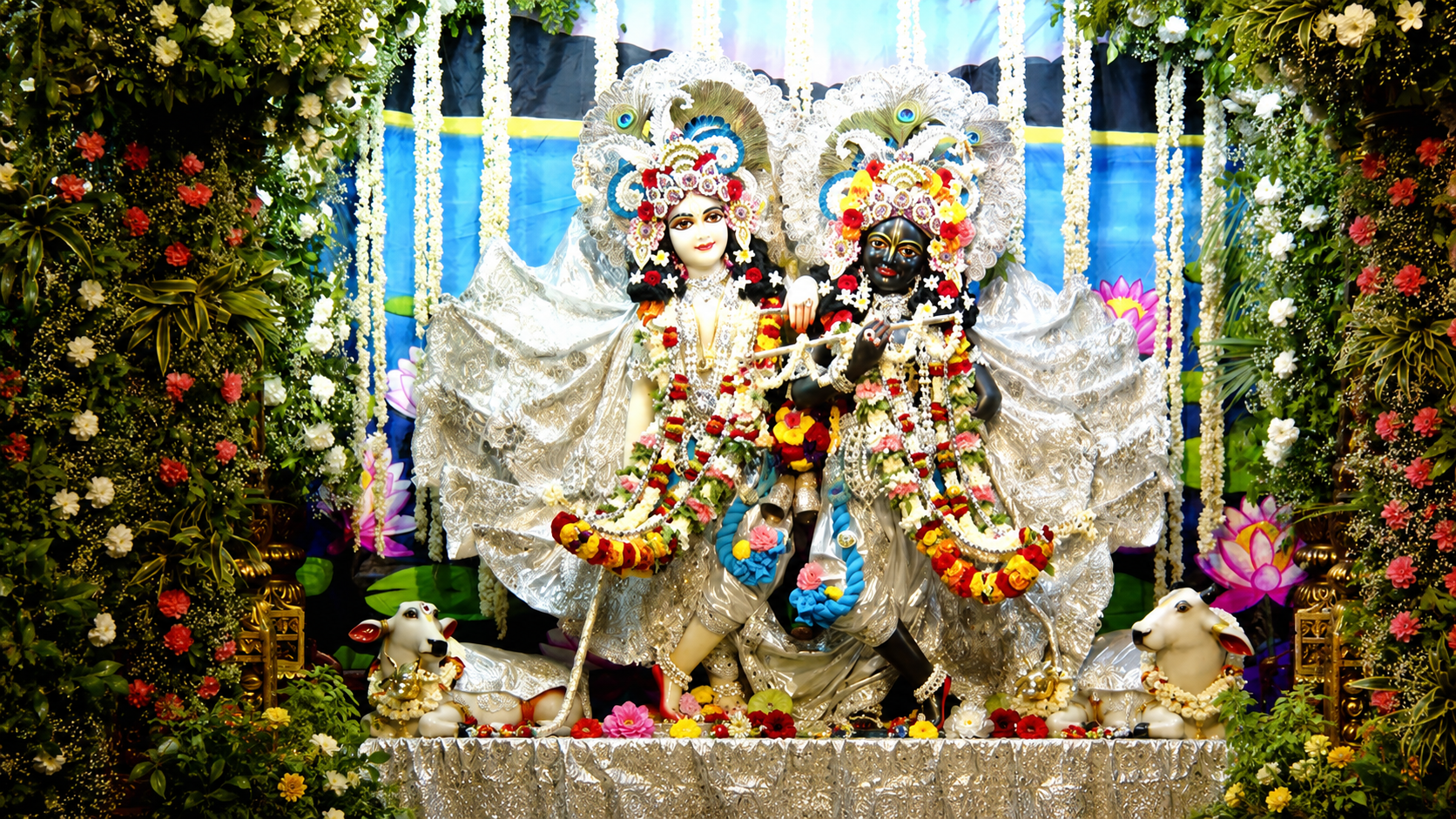 📍 Vrindavan, Uttar Pradesh
Vrindavan, Uttar Pradesh
ISKCON Vrindavan, officially known as Sri Sri Krishna Balaram Mandir, is a revered and internationally celebrated Vaishnava temple located in the sacred town of Vrindavan, Mathura, Uttar Pradesh. Established by His Divine Grace A.C. Bhaktivedanta Swami Prabhupada, the founder of the International Society for Krishna Consciousness (ISKCON), this magnificent temple was inaugurated on April 20, 1975. The temple is dedicated to Lord Krishna and Lord Balaram, the divine brothers, along with Radha-Shyamasundar and Gaura-Nitai. The temple complex is an architectural marvel, built with exquisite Italian marble and featuring intricately carved columns, pillars, and archways. The main shrine houses the beautiful deity forms of Sri Sri Krishna Balaram dressed in colorful attire and adorned with flowers and jewels. The peaceful and devotional ambience of the temple attracts both Indian and international pilgrims and tourists throughout the year. ISKCON Vrindavan is not just a place of worship but also a major spiritual and cultural center. It houses a guest house for pilgrims, a restaurant serving prasadam (sanctified food), a museum on the life of Srila Prabhupada, and a library. The temple hosts spectacular festivals including Janmashtami, which draws hundreds of thousands of devotees, making it one of the most vibrant celebrations in the entire Braj region. The temple's spiritual programs, including daily aartis, kirtans, and Bhagavatam classes, provide devotees with a deep immersive experience in Vaishnava culture and devotion.
View Details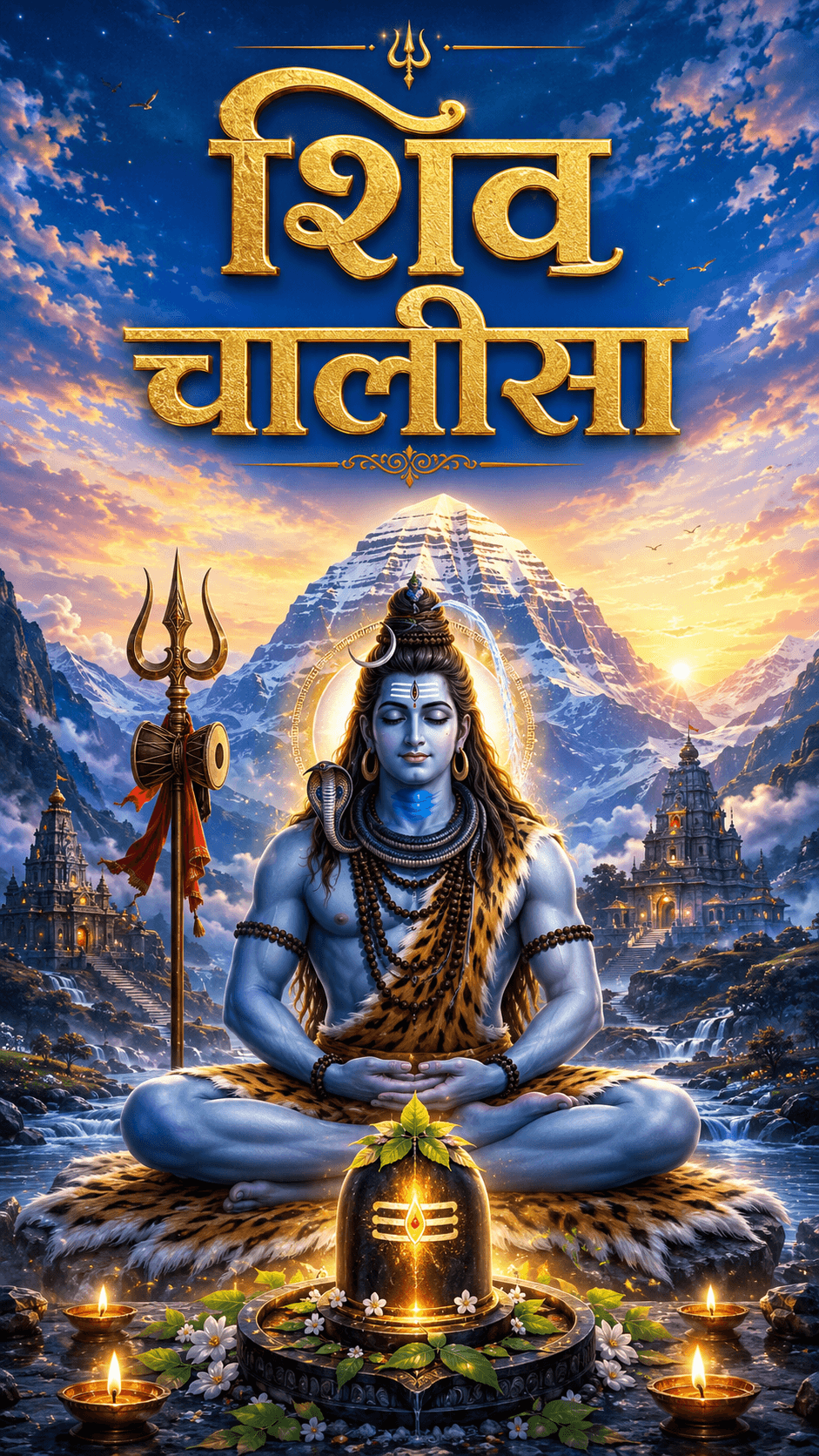

Festivals, melas and special darshan across India's holy cities.
Devotional guides, temple travel tips and mantra meanings for daily practice.

From Tirupati to Kashi — a guide to India's most sacred pilgrimage destinations.
6 min read
View Details
Understand the 40 verses of Tulsidas and why millions chant it daily.
5 min read
View Details
Om Namah Shivaya, Gayatri and more — mantras for daily spiritual practice.
4 min read
View DetailsAuthentic details sourced and verified for your trust.
Available in English and Hindi for devotees worldwide.
Fresh content, darshan, and guidance updated every day.
Answers to common questions about temples, mantras and pilgrimage in India.